
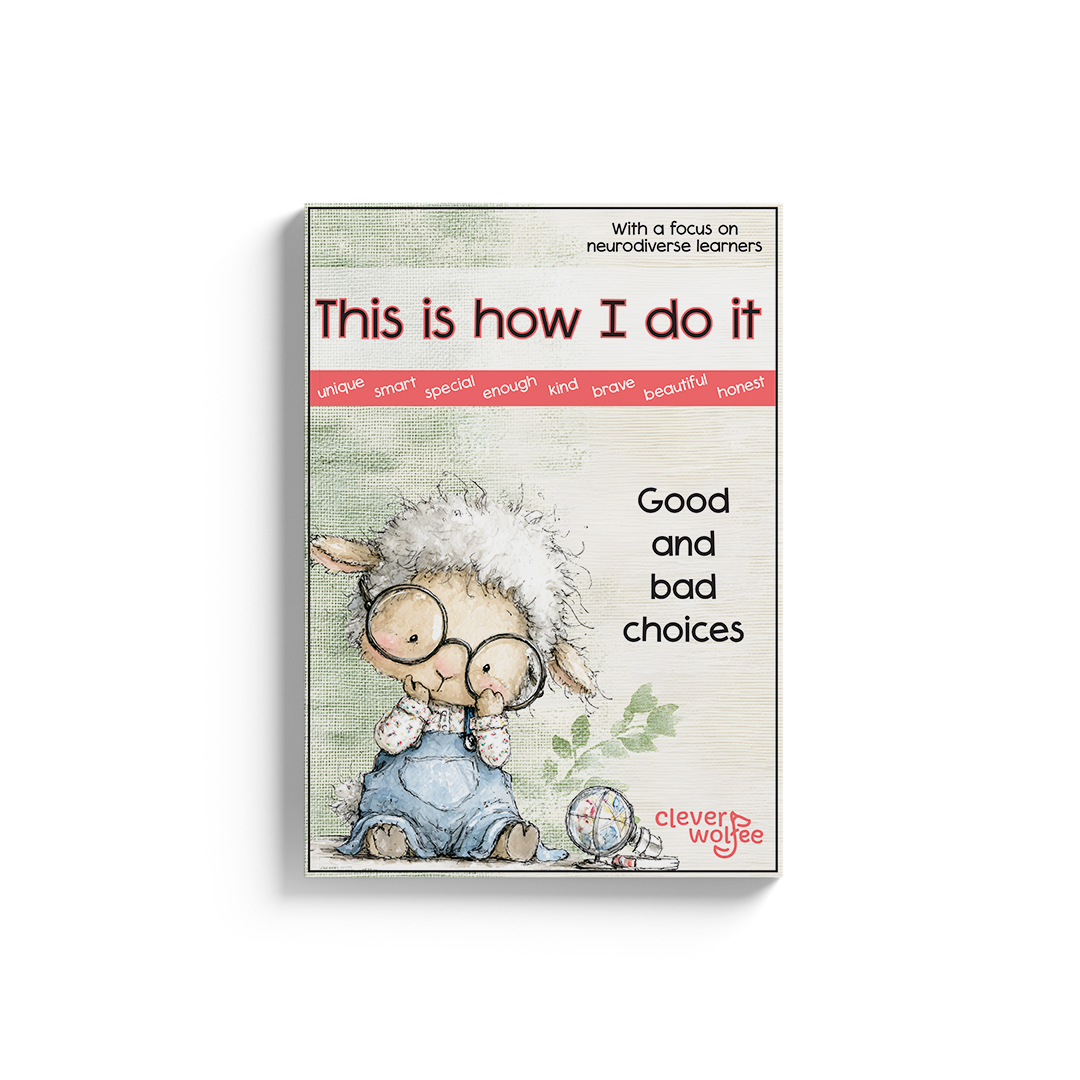
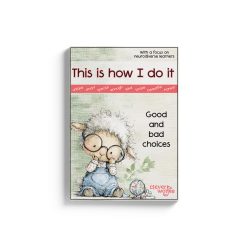
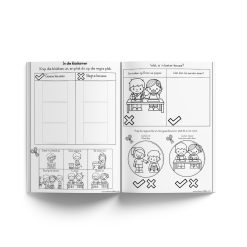
This booklet contains 9 pages in color and 9 pages in black and white.
We extend our heartfelt thanks to Curamus School for Autism for their support and invaluable assistance with the design of these booklets.
This booklet is a learning resource designed specifically for neurodiverse learners to help them understand good choices and bad choices in everyday situations. The aim of the booklet is to help children learn how their actions can affect themselves and others, and to practice making positive social decisions.
Through pictures, sorting activities and short sentences, children learn to recognize helpful behaviors and behaviors that may hurt others or break rules. The booklet encourages learners to think about their actions and to choose behaviors that are kind, respectful and responsible.
The visual examples make it easier for children to understand social situations and recognize appropriate behavior.
Sections / Themes included in the booklet
The booklet includes several activities that help children practice identifying and choosing positive behavior.
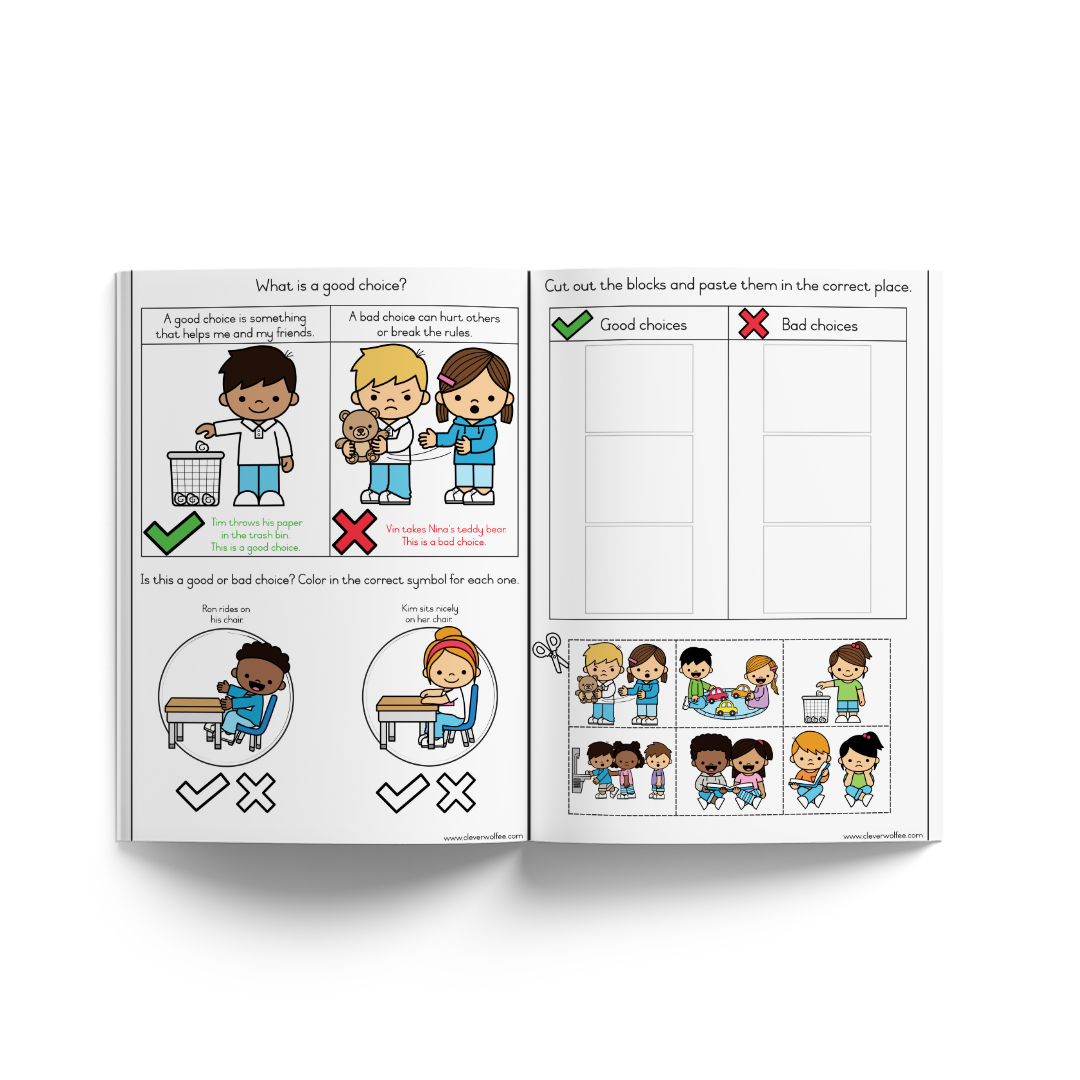
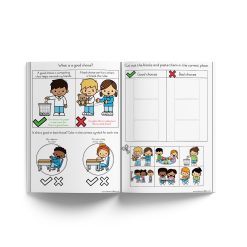
1. Understanding good and bad choices
Children are introduced to the idea that:
-
A good choice helps me and my friends.
-
A bad choice can hurt others or break the rules.
Examples shown include:
-
Throwing paper in the trash – good choice
-
Taking someone else’s toy – bad choice
Learners then decide whether different behaviors are good or bad.
2. Sorting good and bad choices
Children cut out pictures and sort them into two groups:
-
Good choices
-
Bad choices
Examples include actions such as:
-
helping friends
-
sharing toys
-
cleaning up
-
pushing or grabbing toys.
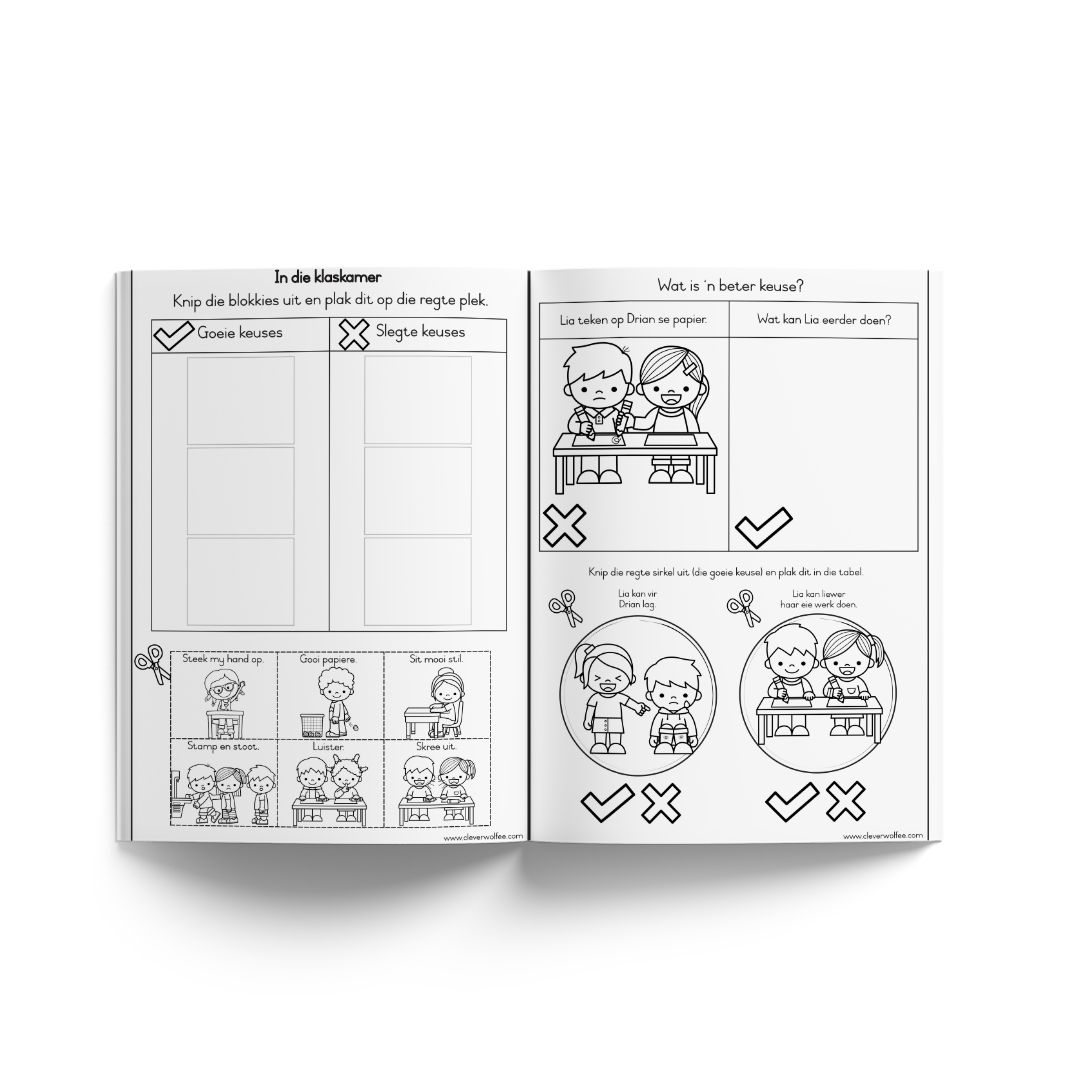
3. Behavior in the classroom
Children learn about appropriate behavior in the classroom.
Examples of good choices:
-
raise my hand
-
sit quietly
-
listen
Examples of bad choices:
-
throw papers
-
push and shove
-
shout out.
4. Behavior on the playground
Learners also practice identifying behavior during playtime.
Examples of good choices:
-
share with a friend
-
take turns
-
help a friend
Examples of bad choices:
-
grab toys
-
run away with the ball
-
hit.
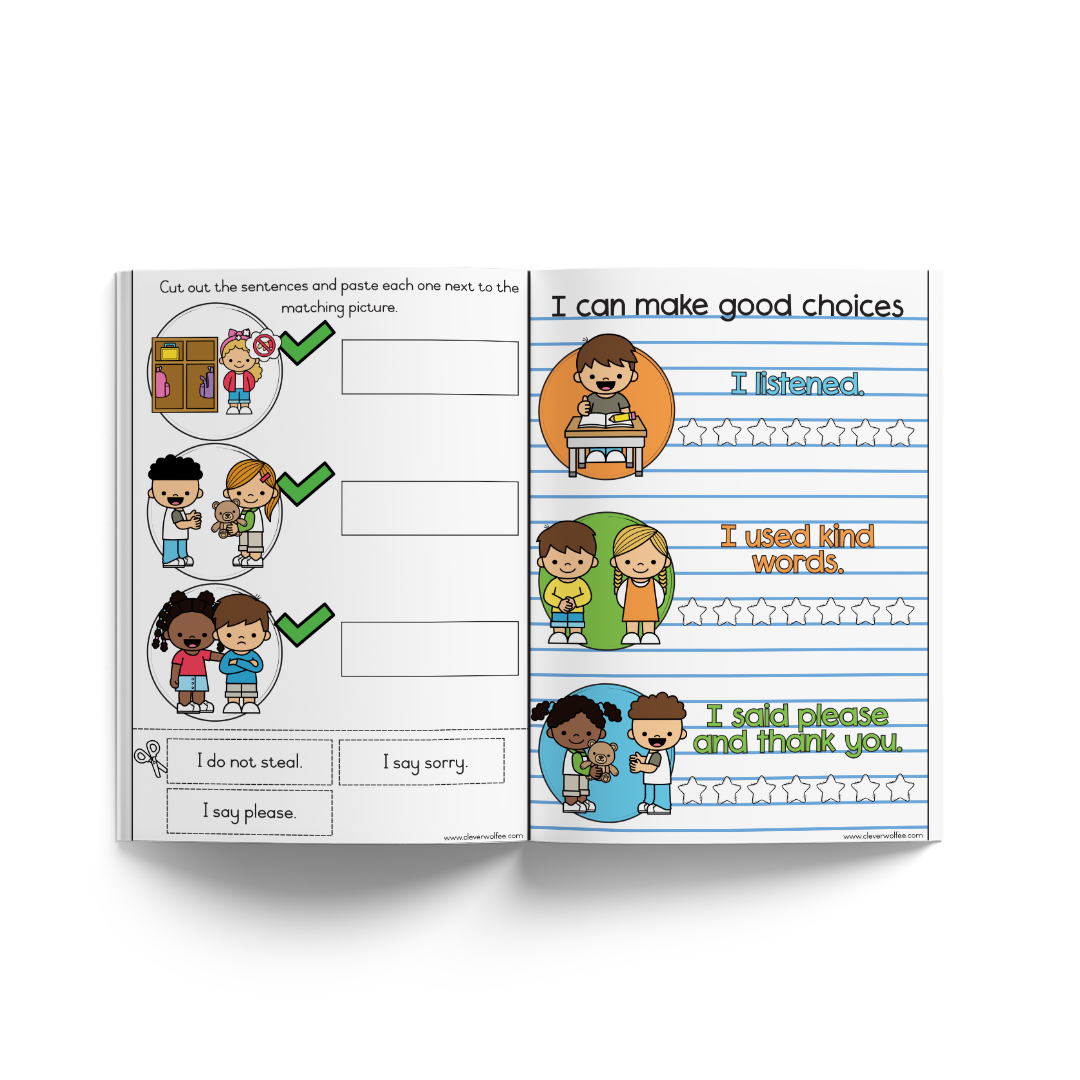
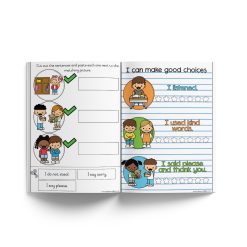
5. Matching positive behavior sentences
Children match simple sentences to pictures.
Examples include:
-
I do not steal.
-
I say please.
-
I say sorry.
These activities reinforce positive social language.
6. Choosing a better option
Learners look at a situation and decide what the better choice would be.
For example:
-
If a child draws on someone else’s paper, the better choice is to do their own work instead.
7. Positive behavior reflection
The booklet ends with a reflection page where children practice positive statements such as:
-
I listened.
-
I used kind words.
-
I said please and thank you.
Benefits of this booklet for the child
These activities help develop important skills such as:
-
social awareness
-
understanding rules and consequences
-
empathy and kindness
-
decision-making skills
-
problem-solving in social situations
-
language for polite communication
-
confidence in making positive choices
The clear pictures and simple examples help learners practice recognizing behavior in a safe and structured way.
Important information
This booklet is available in both color and black-and-white versions.
It is provided in PDF format for easy printing.
These booklets may not be resold or redistributed.
This is Booklet 10 in the series.
Only logged in customers who have purchased this product may leave a review.
Related products


Psychology


Budget Folder


Budget Folder


Budget Folder

Reviews
There are no reviews yet.