
This booklet contains 33 pages in color.
We extend our heartfelt thanks to Curamus School for Autism for their support and invaluable assistance with the design of these booklets.
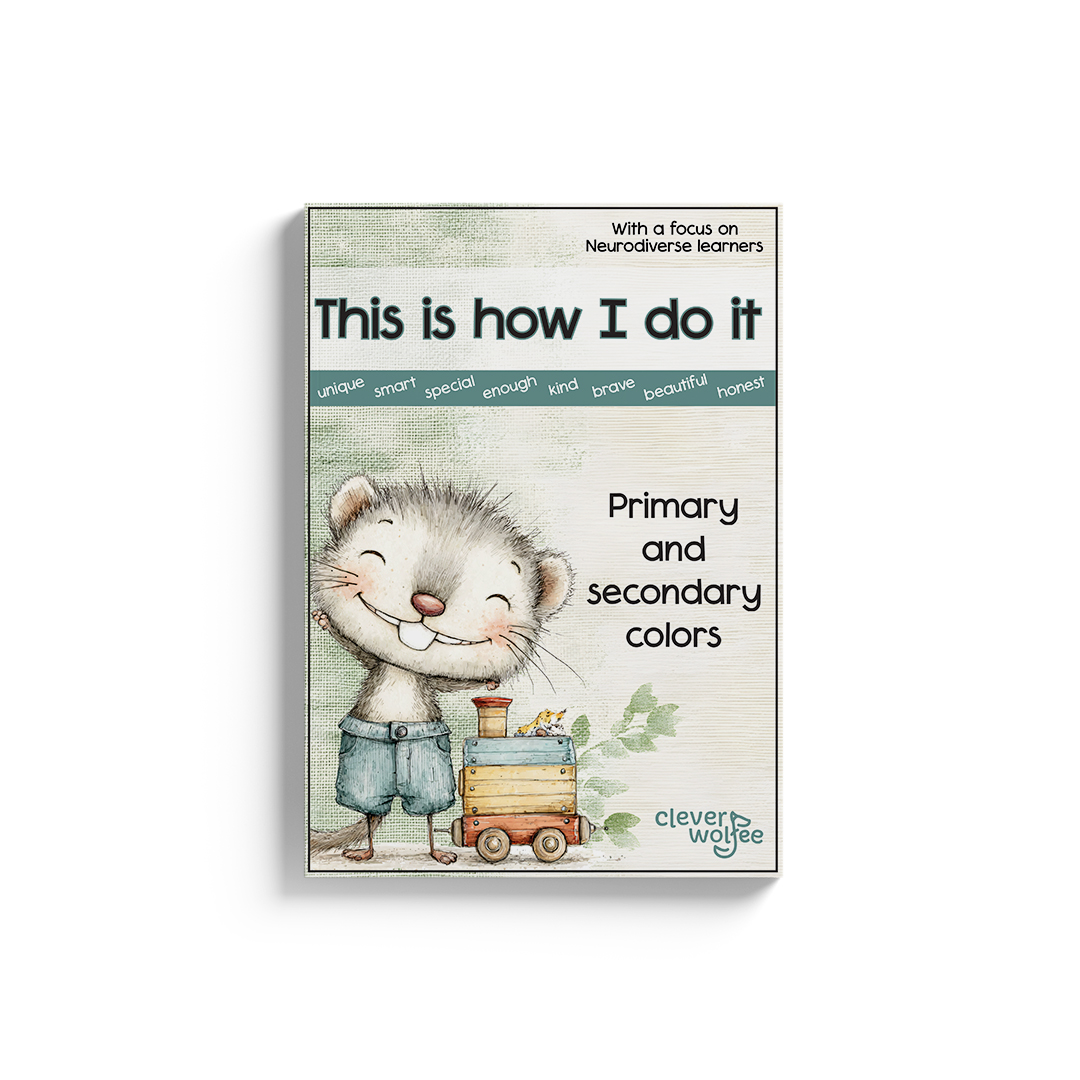
This booklet is a visual learning resource designed specifically for neurodiverse learners to help them understand primary and secondary colours. The aim of the booklet is to help children recognise colours, match colours to objects and learn how colours can be mixed to create new colours.
Through simple visual activities, sorting tasks and hands-on exercises, learners explore colours in a structured and engaging way. The activities support children who learn best through visual, sensory and practical learning experiences.
Sections / Themes included in the booklet
The booklet introduces both primary colours and secondary colours through a variety of activities.
1. Primary colours
Children first learn to recognise the three primary colours:
-
Red
-
Blue
-
Yellow
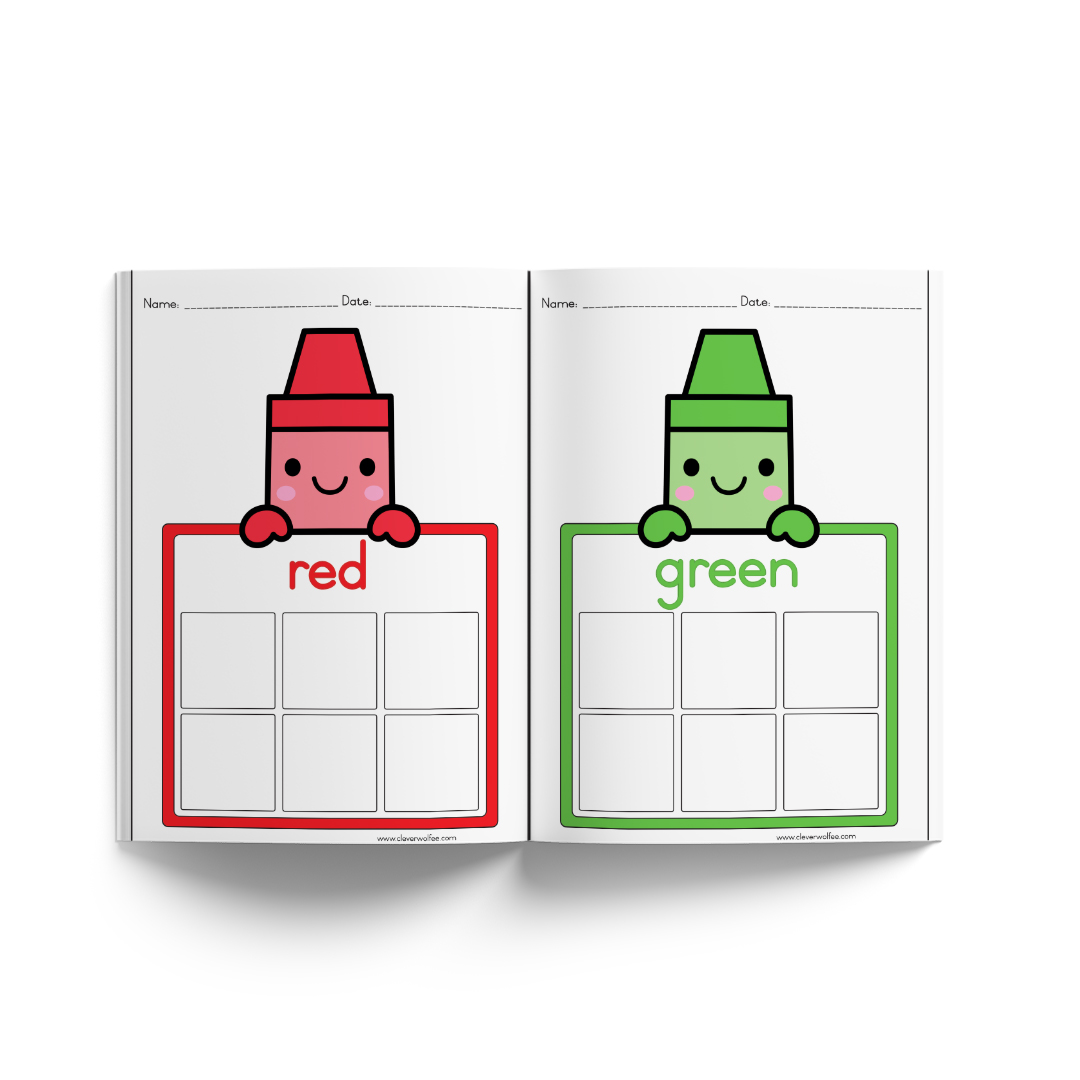
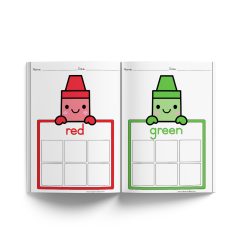
Each colour has its own page where learners can identify and discuss the colour.
2. Secondary colours
Learners are introduced to the three secondary colours:
-
Purple
-
Orange
-
Green
These colours are shown and practised through matching and identification activities.
3. Colour recognition activities
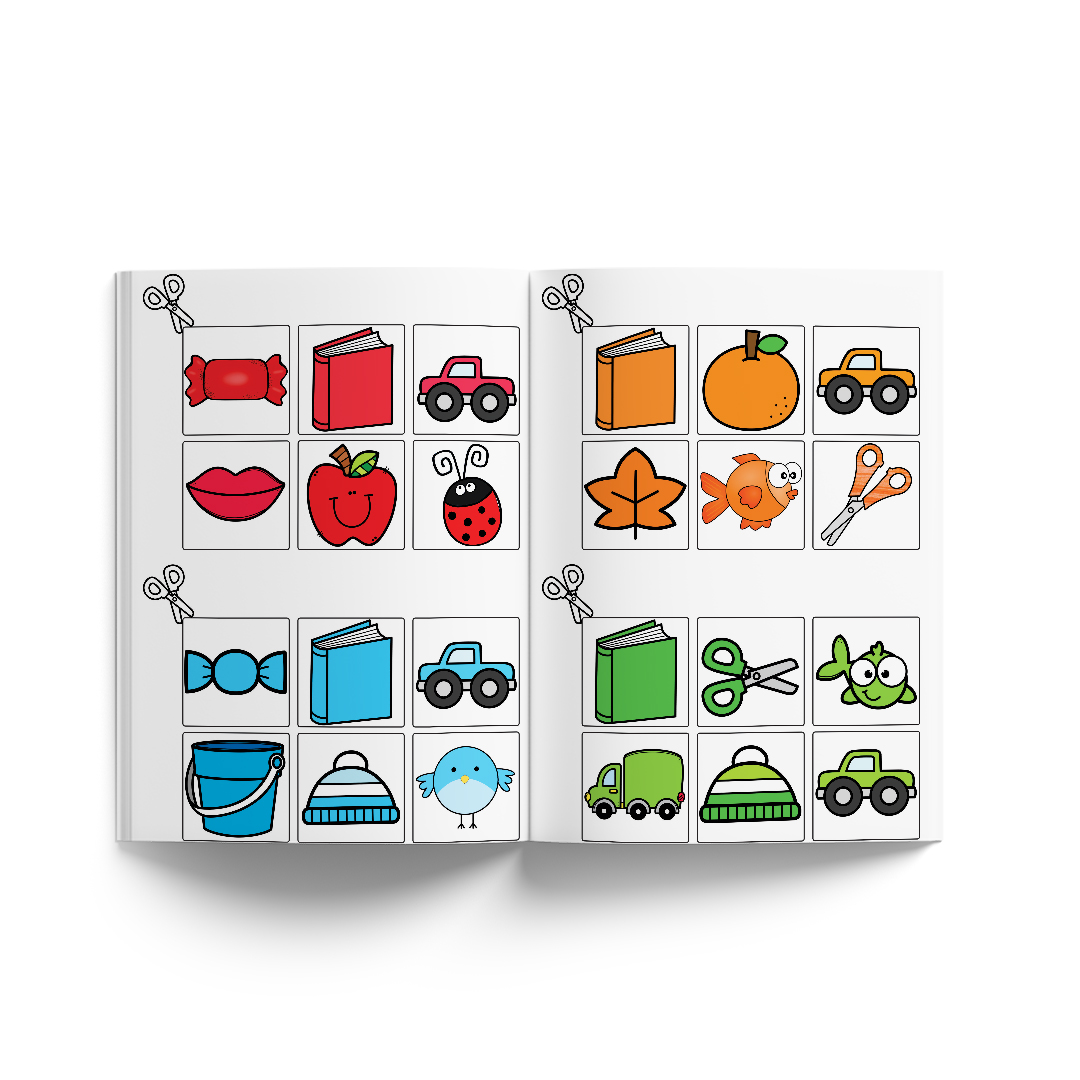
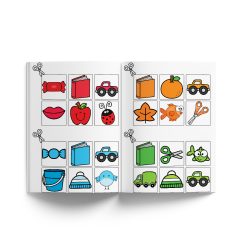
Children practise recognising colours by identifying objects that match each colour.
Examples include pictures such as:
-
books
-
cars
-
fruit
-
animals
-
everyday objects.
Learners cut out the pictures and match them to the correct colour.
4. Colour sorting
Children sort pictures according to colour groups, helping them understand how objects can be grouped by colour.
5. Fine motor colour activities
The booklet includes hands-on activities such as:
-
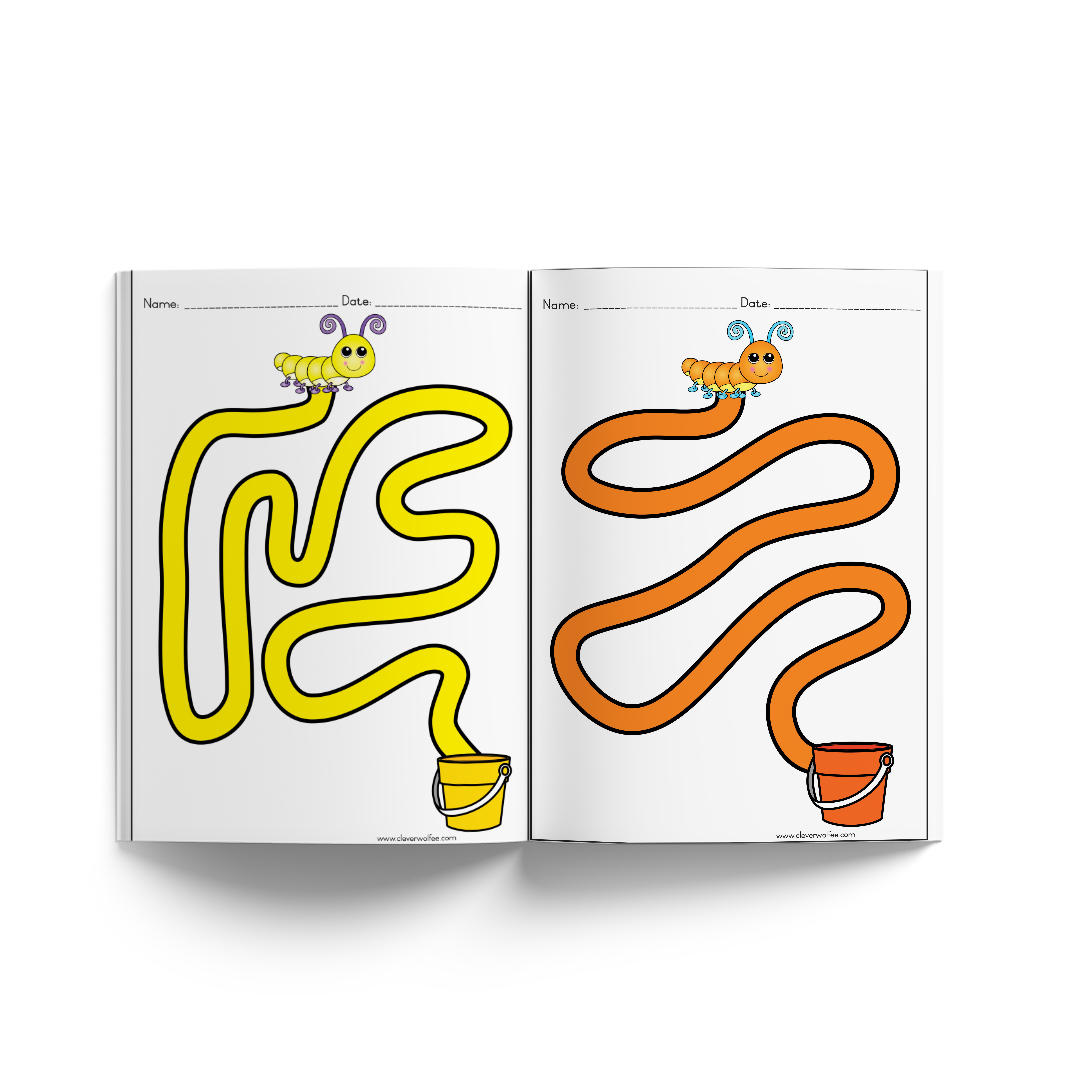
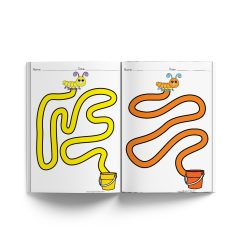
colour-themed mazes
-
using tongs and pompoms to create a path for a caterpillar
-
following colour paths to reach matching buckets.
These activities support fine motor development and visual tracking.
6. Colour matching games
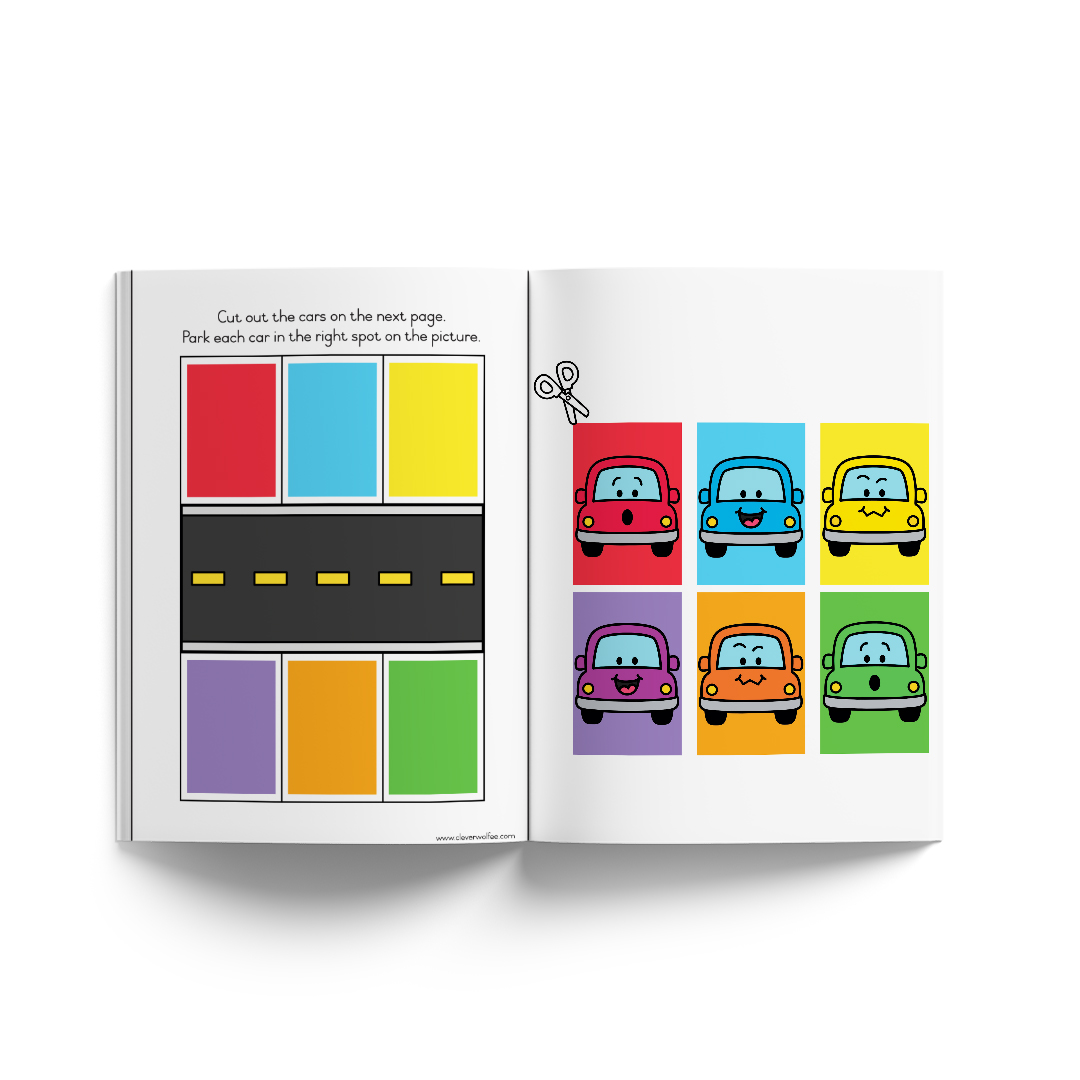
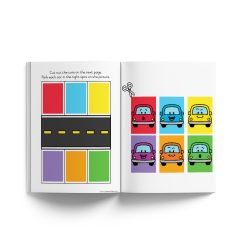
Children cut out coloured cars and park them in the correct coloured parking spaces, reinforcing colour recognition.
7. Colour exploration in everyday life
Learners are encouraged to look around their home or classroom and find objects that match each colour. They can take a photo or draw the object and place it on the page.
8. Colour mixing (secondary colours)
The booklet introduces how colours can be mixed:
-
Red + Yellow = Orange
-
Blue + Yellow = Green
-
Red + Blue = Purple.
Practical teaching ideas include:
-
mixing paint in zip-lock bags
-
mixing coloured water
-
using colour “recipe” cards
-
sensory trays with coloured objects.
9. Simple sentence building
Learners practise language by completing simple sentences using pictures and colour cards, for example:
-
I see a red apple.
This activity combines language development with colour recognition.
Benefits of this booklet for the child
These activities help develop important skills such as:
-
colour recognition and identification
-
understanding primary and secondary colours
-
sorting and classification skills
-
visual discrimination
-
fine motor development
-
language and vocabulary development
-
hands-on sensory learning
The structured and visual format makes colour learning clear, interactive and engaging for young learners.
Important information
This booklet is available in colour only.
It is provided in PDF format for easy printing.
These booklets may not be resold or redistributed.
This is Booklet 16 in the series.
Only logged in customers who have purchased this product may leave a review.
Related products


Psychology


Psychology


Workbooks


Budget Folder


English

Reviews
There are no reviews yet.