
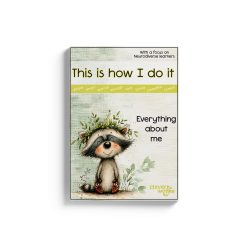
This booklet contains 22 pages in color and 22 pages in black and white.
We extend our heartfelt thanks to Curamus School for Autism for their support and invaluable assistance with the design of these booklets.
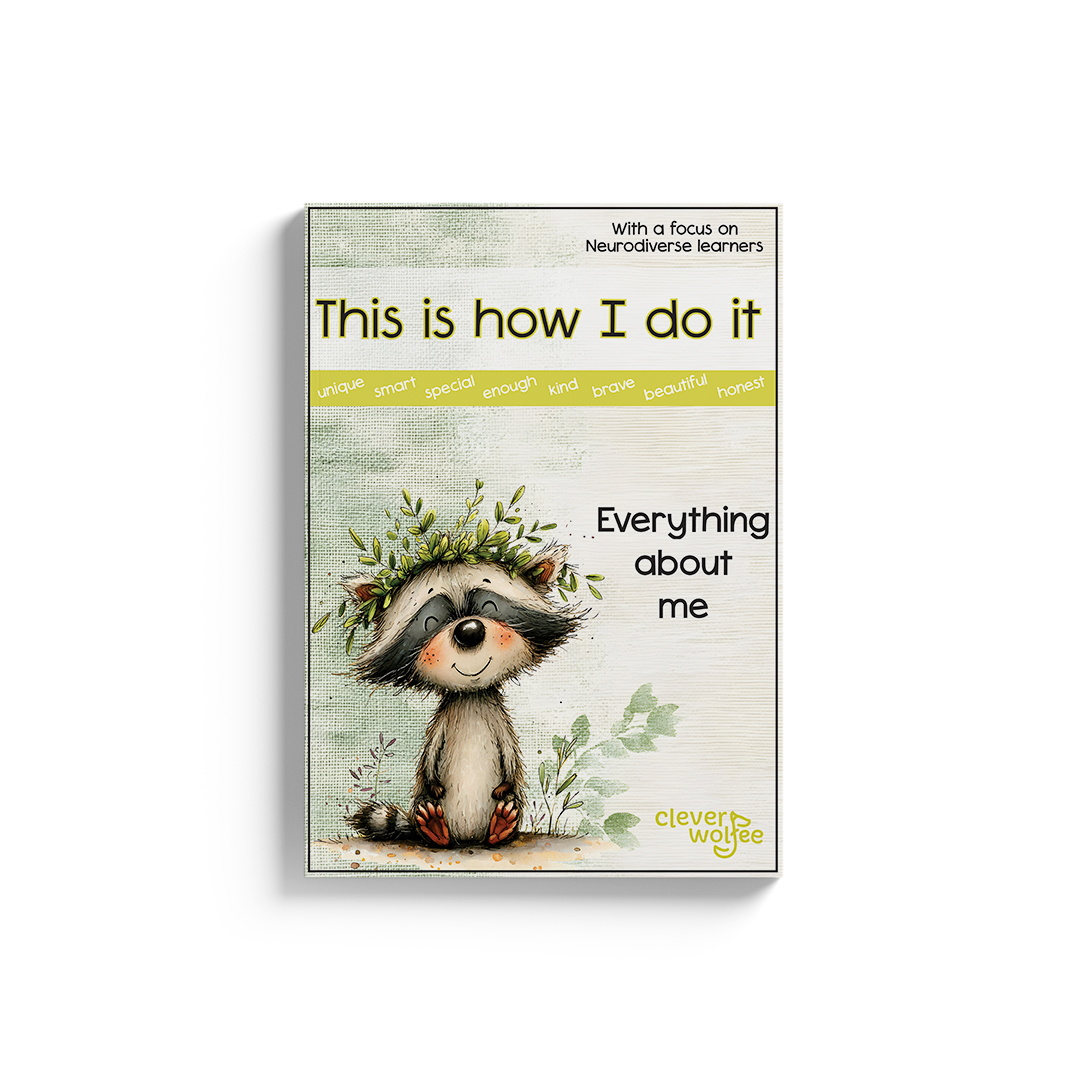
This booklet is a learning resource designed specifically for neurodiverse learners to help them understand themselves, their feelings and their learning needs. The aim of the booklet is to help children express who they are, what they like and dislike, and what helps them feel calm and comfortable.
Through simple activities, pictures and choices, learners can share information about their senses, emotions, learning preferences and personal needs. This helps parents and teachers understand the child better and support them in a positive and structured way.
Sections / Themes included in the booklet
The booklet contains several activities that help learners explore and describe themselves.
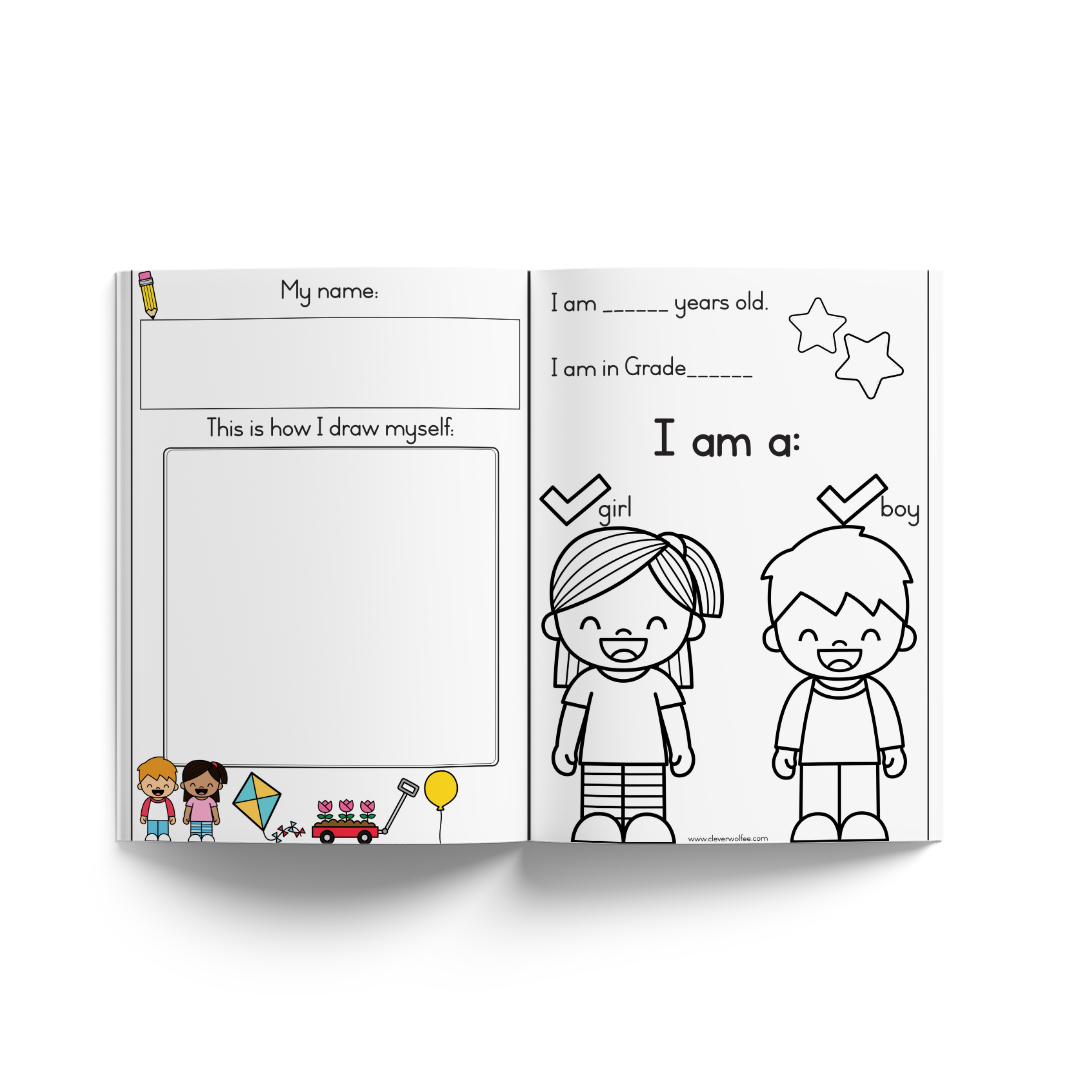
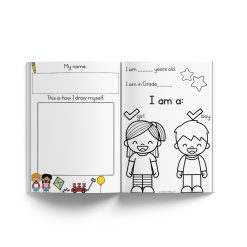
1. About me
Children begin by sharing basic personal information.
Activities include:
-
writing their name
-
drawing a picture of themselves
-
identifying whether they are a boy or girl
-
writing their age and grade.
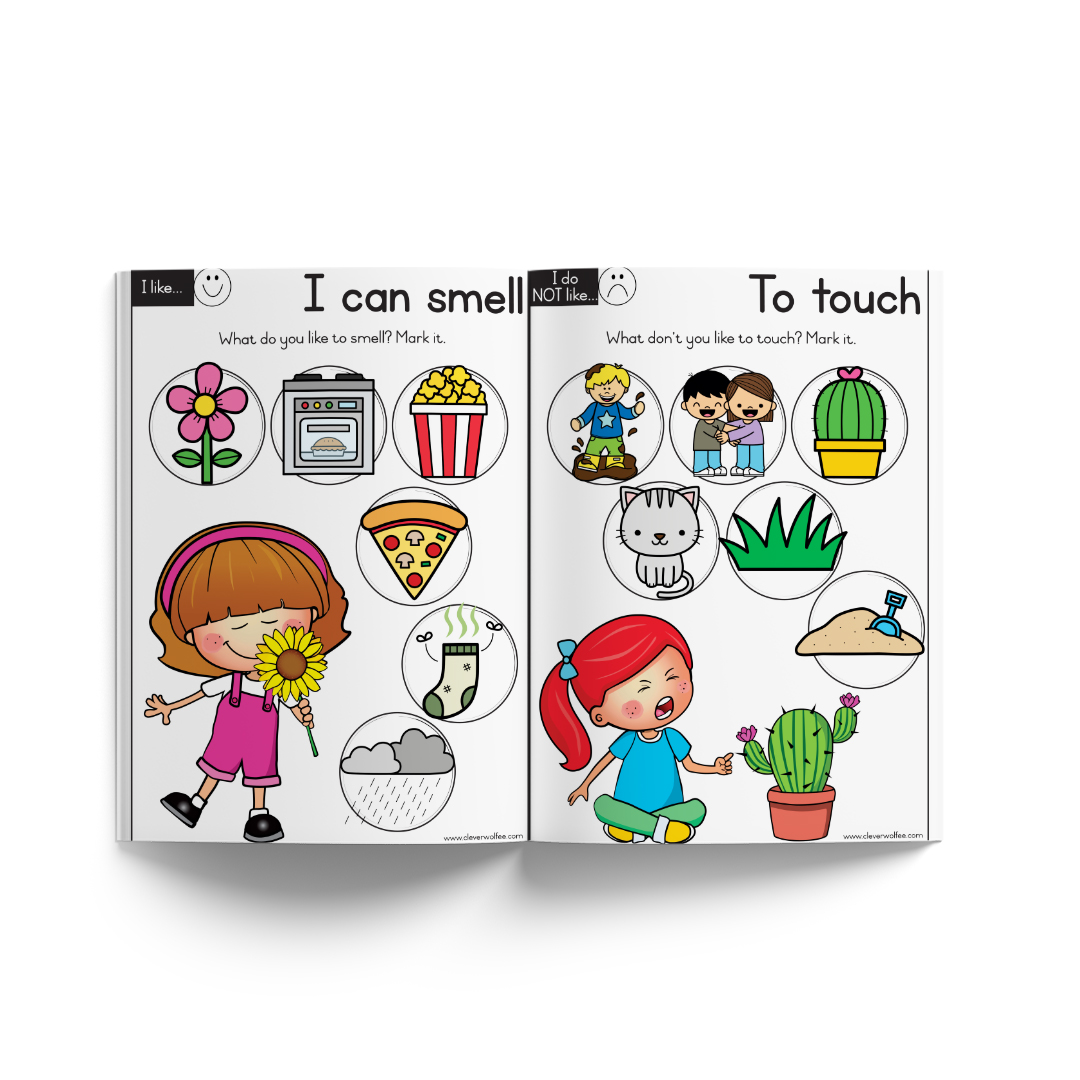
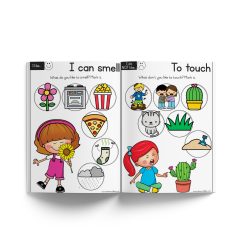
2. My senses – what I like
Children explore their five senses and choose what they enjoy.
Activities include identifying things they like to:
-
smell
-
taste
-
see
-
hear
-
touch.
These activities help children understand their sensory preferences.
3. My senses – what I do not like
Learners also identify sensory experiences that they do not enjoy.
Examples include things they do not like to:
-
smell
-
taste
-
see
-
hear
-
touch.
This helps adults understand possible sensory sensitivities.
4. What helps me learn
Children identify conditions that help them learn better.
Examples include:
-
when it is quiet
-
when I sit in front
-
when I work alone
-
when someone shows me
-
when I get extra time.
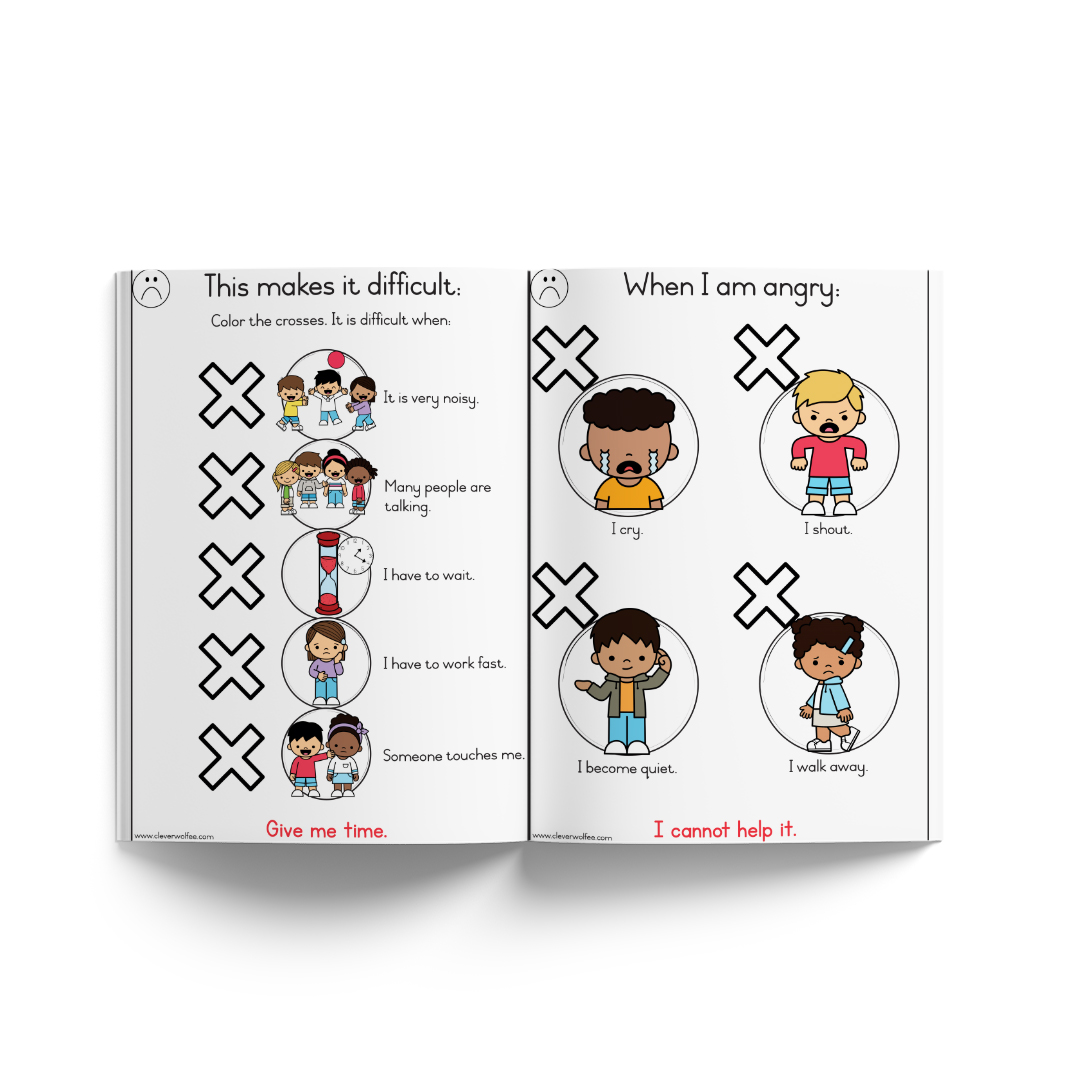
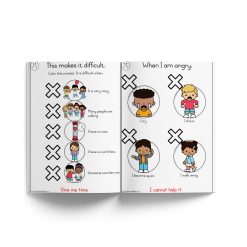
5. What makes learning difficult
Learners also identify situations that may make learning more difficult.
Examples include:
-
when it is very noisy
-
when many people are talking
-
when I have to wait
-
when I must work fast
-
when someone touches me.
6. Understanding emotions
Children explore how they react when they feel upset or angry.
Examples include:
-
I cry
-
I shout
-
I become quiet
-
I walk away.
7. How I calm down
Learners identify strategies that help them calm down.
Examples include:
-
hugging a toy
-
getting a hug
-
sitting alone
-
swinging
-
going to a calm place.
8. My calm place
Children identify or draw their safe or calm place, such as:
-
a reading corner
-
their room
-
a quiet corner
-
outside
-
listening to music.
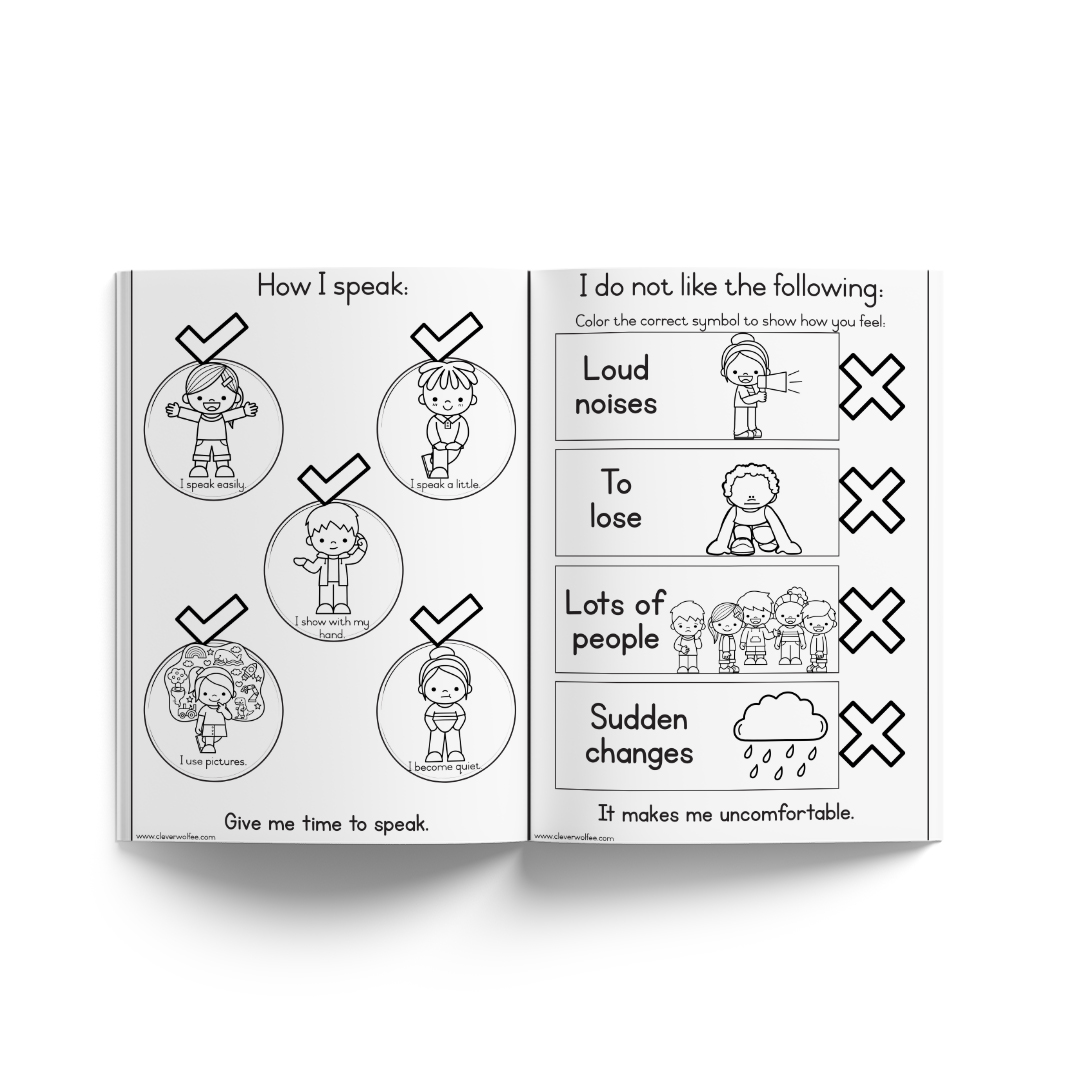
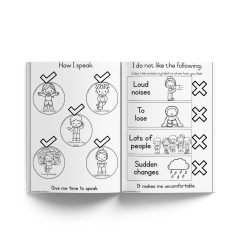
9. How I communicate
The booklet helps children explain how they communicate best.
Examples include:
-
I speak easily
-
I speak a little
-
I use pictures
-
I show with my hands
-
I become quiet.
10. My feelings
Children practise identifying emotions such as:
-
happy
-
sad
-
angry
-
scared.
11. Things that make me uncomfortable
Learners identify situations that may cause discomfort, for example:
-
loud noises
-
losing games
-
crowded places
-
sudden changes.
12. Waiting and patience
Children explore what happens when they must wait and what helps them manage waiting.
Examples include:
-
using a timer
-
playing with a toy
-
someone talking with them while they wait.
Benefits of this booklet for the child
These activities help develop important skills such as:
-
self-awareness and self-understanding
-
communication of personal needs
-
recognition of emotions
-
understanding sensory preferences
-
self-regulation and calming strategies
-
confidence in expressing feelings
The booklet also helps parents and teachers understand the child’s needs, making it easier to provide the right support.
Important information
This booklet is available in both colour and black-and-white versions.
It is provided in PDF format for easy printing.
These booklets may not be resold or redistributed.
This is Booklet 13 in the series.



Reviews
There are no reviews yet.